
Plants
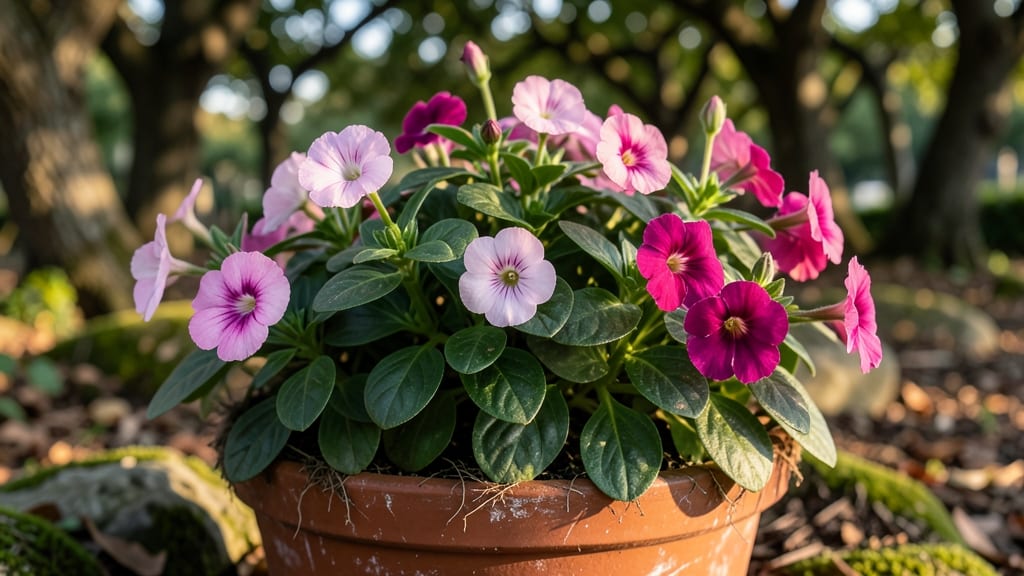
Impatiens are not true perennials in most climates—they behave like annuals, dying back completely each frost, though their seeds or tubers may survive in frost-free zones (USDA 10-11).
Impatiens act like annuals because their tender stems and shallow roots can't withstand freezing temperatures. 🌱 Unlike true perennials such as hostas or daylilies, which regrow from deep, hardy root systems after winter dormancy, impatiens lack this resilience.
In milder climates (like coastal California or southern Florida), they might persist through winter as dormant tubers or seeds, but in most U.S. zones, they'll need replanting each spring for vibrant summer blooms.
This dieback cycle isn't a flaw—it's actually what makes impatiens so reliable for seasonal color. Their fast growth and prolific flowering compensate perfectly for their short lifespan in colder regions. The key to extending their presence is understanding your local frost dates and planning accordingly.
💡 In This Article
- Why Impatiens Die Back: The Science of Their Annual-Like Behavior
- How to Treat Impatiens Like Perennials in Cold Climates
Why impatiens die back: the science of their annual-like behavior
The cold sensitivity of impatiens stems from their tropical origins—these plants evolved in warm, humid regions of East Africa and Southeast Asia where temperatures rarely drop below 50°F. Their thin, herbaceous stems contain minimal vascular tissue for cold resistance, making them vulnerable to frost damage.
When temperatures fall below 32°F, the cell walls rupture, causing irreversible damage to their foliage and stems. 🌡️ Unlike true perennials like hostas, which develop thick, woody rhizomes or deep taproots to store nutrients and survive winter, impatiens rely on shallow fibrous roots that can't endure freezing soil.
What makes impatiens behave like annuals is their inability to enter true dormancy. True perennials (such as daylilies or peonies) produce specialized buds at or below the soil surface that remain protected by insulating layers of leaves or mulch.
Impatiens, however, lack these hardened structures—their growth points are located at the soil surface or just above it, where frost easily penetrates. Even in USDA Zone 8, where winter lows might reach 10-15°F, the plants typically die back completely unless given special protection.
The good news is that impatiens have evolved alternative survival strategies in their native habitats. Some species produce woody tubers or seed pods that remain dormant until conditions improve.
For example, Impatiens walleriana (the common garden impatiens) can develop small, potato-like tubers that persist in the soil, though these rarely survive freezing temperatures.
In frost-free zones like USDA Zones 10-11, these tubers may sprout again in spring, giving the illusion of perennial behavior—but this is the exception, not the rule.
Here's what happens at the cellular level: When temperatures drop, the water inside impatiens' cells expands and freezes, rupturing the cell membranes. This process, called cryodamage, is irreversible in their tender tissues.
True perennials, on the other hand, produce antifreeze proteins and store sugars in their roots to prevent ice crystal formation. Impatiens simply lack these adaptations, which is why they're classified as tender perennials—they can survive only in climates where winter temperatures rarely dip below 20°F.
Consider this comparison: A hosta plant in Zone 5 might lose its leaves in winter but regrow from its hardy rhizome when spring arrives.
An impatiens plant in the same zone, however, would suffer complete dieback—its stems would turn black and mushy, and its roots would rot if left in the ground.
The only way to preserve impatiens through winter in colder climates is through human intervention, such as digging up tubers or saving seeds for replanting.
This dieback cycle isn't a limitation—it's actually an evolutionary trade-off. Impatiens prioritize rapid growth and abundant flowering during their short growing season, which makes them ideal for seasonal color but less suited for perennial landscapes.
Their bright blooms and lush foliage compensate perfectly for their short lifespan, especially in regions with hot summers and mild winters.