
Plants
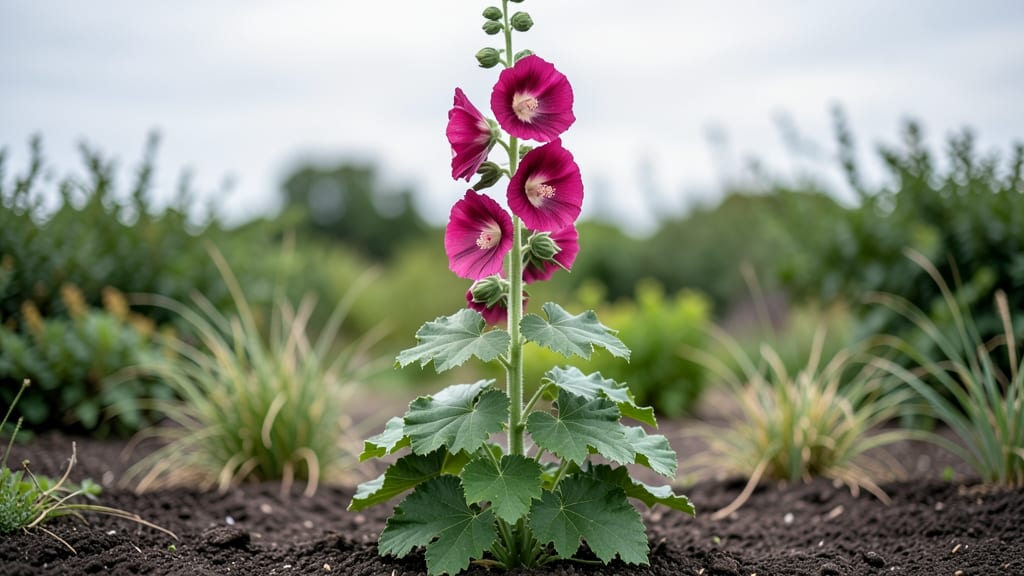
Hollyhocks are perennials that thrive in USDA zones 3-9 but lose their foliage each winter, only to regrow from their deep root systems when spring arrives. Varieties like Alcea rosea reliably return year after year with consistent care, though some may require staking or division to maintain vigor.
Hollyhocks might look like annuals because they go dormant in winter, but their thick, fibrous roots—often called corms—store energy to fuel regrowth when temperatures rise. 🌱 This hardy behavior lets them survive winters as cold as -40°F (zone 3) if planted in well-draining soil.
The key difference from true annuals is that hollyhocks regenerate from these underground structures, not from seed. Many gardeners swear by cutting back dead stems in late fall and adding mulch to protect the roots, which is why you'll often see them blooming again the following summer.
What's interesting is how their hardiness varies by zone. In colder regions like zone 3, hollyhocks might need extra winter protection, while in milder zones like 8 or 9, they might only need minimal care.
The trade-off? Some varieties grow tall and floppy, requiring stakes to prevent them from toppling over—especially after heavy rains.
💡 In This Article
- Why Hollyhocks Die Back in Winter and How They Regrow
- Tips to Protect and Revive Dormant Hollyhock Roots
Why hollyhocks die back in winter and how they regrow
The hollyhock's winter dormancy begins when temperatures drop below 50°F and daylight shortens, triggering a biological process called vernalization. This is when the plant's roots—specifically its thick, carrot-like taproot—shift from growth mode to survival mode, converting stored sugars into protective compounds.
The taproot can extend up to 2 feet deep, acting like a natural battery that stores energy for months without sunlight. 🌱 Unlike annuals, which complete their life cycle in one season, hollyhocks enter a state of bud dormancy, where their root systems remain metabolically active but minimize energy use.
What makes this fascinating is how hollyhocks balance hardiness with their growth habits. In USDA zones 3-5, where winters can drop to -30°F, the roots produce a waxy coating that prevents cellular damage from freezing.
In warmer zones like 8-9, dormancy is lighter, and the plant might even produce new growth during mild winters. The critical factor here is soil drainage: waterlogged roots in winter can lead to rot, while well-draining soil keeps the corms (thickened root bases) healthy.
This is why gardeners in wet climates often plant hollyhocks on mounds or raised beds.
The regrowth process kicks off when soil temperatures reach 55-60°F in spring, signaling the roots to push out new shoots. You'll often see the first green leaves emerge 4-6 weeks before the main stems appear, as the plant prioritizes rebuilding its energy reserves.
This is why cutting back dead foliage in late winter can actually speed up regrowth—it reduces competition for the plant's limited stored energy. The taller varieties, like 'Chater's Double', may take longer to recover because their energy demands are higher, while shorter types like 'Black Night' bounce back more quickly.
One common misconception is that hollyhocks won't return if they don't bloom the first year. In reality, many hollyhocks focus their energy on root development during their first growing season, only flowering in their second or third year.
This is especially true for Alcea rosea varieties, which can take up to 2 years to reach full maturity. The key visual cue that your hollyhocks are healthy is the presence of green shoots in early spring—these indicate that the roots have successfully overwintered and are ready to regrow.
For gardeners in zone 3, where winters are harshest, the difference between a hollyhock that thrives and one that fails often comes down to mulching depth. A 4-6 inch layer of straw or shredded leaves can make the difference between root survival and freeze damage.
In contrast, zones 8-9 may require less mulch or even none at all, as the ground rarely freezes deeply. The trade-off? In warmer zones, hollyhocks might become leggy without proper winter pruning, while in colder zones, they may need staking to support their height as they recover from dormancy.
What most people don't realize is that hollyhocks actually benefit from their winter dieback. This natural cycle prevents them from becoming overcrowded, as the old stems die off while the roots remain vigorous.
When you see those first cup-shaped blooms in late spring, you're witnessing the plant's reward for its patience during dormancy—a reminder that even plants with dramatic seasonal changes can be incredibly resilient. 💫