
Plants
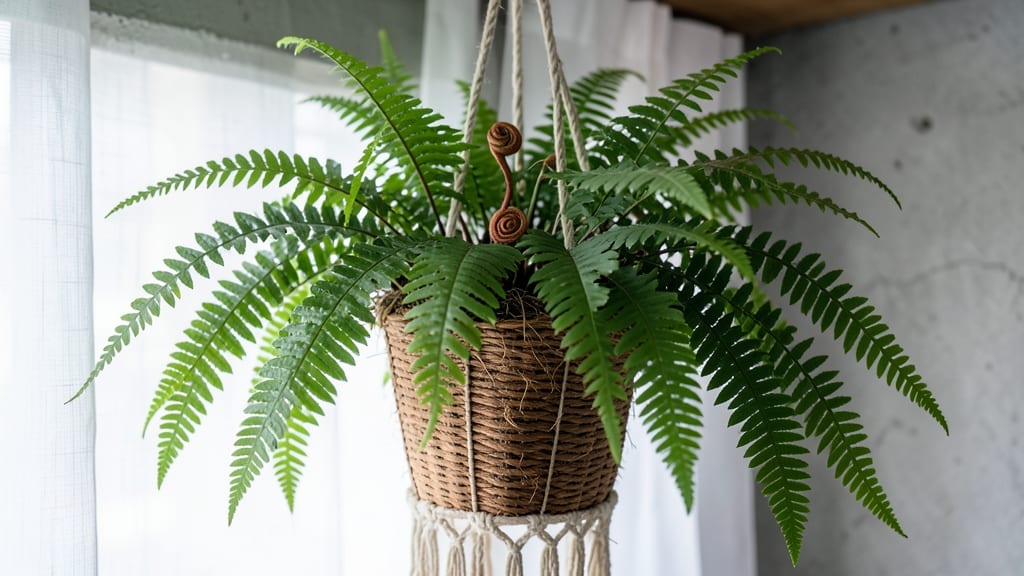
Hanging ferns are perennials in most climates, surviving year-round through hardy underground rhizomes that regrow foliage when conditions improve, though cold-hardy varieties may need winter protection in freezing zones.
Hanging ferns thrive as perennials because their underground rhizomes act like natural storage units, storing nutrients and energy to fuel regrowth. 🌱 These root systems can remain dormant during harsh conditions—whether drought or cold—then spring back to life when temperatures stabilize.
The key difference between tropical and cold-hardy varieties lies in their tolerance levels; while tropical ferns may need year-round warmth, their hardier cousins can survive brief freezes with proper protection.
For gardeners in colder regions, understanding this biological process helps explain why ferns sometimes look "dead" in winter—they're not! Their rhizomes stay alive beneath the soil, ready to burst forth with fresh fronds when spring arrives.
This built-in survival mechanism makes them low-maintenance plants for those who want lush greenery without constant upkeep.
💡 In This Article
- How Hanging Fern Rhizomes Ensure Year-Round Survival
- Winter Care Tips for Hanging Ferns in Cold Climates
How hanging fern rhizomes ensure year-round survival
Hanging ferns rely on their rhizomes—thick, horizontal underground stems—to act as survival powerhouses. These specialized structures store carbohydrates (like starch) and proteins, which serve as energy reserves during dormancy. When temperatures drop below 40°F, the rhizome enters a dormant state, slowing metabolic processes to conserve energy.
This biological adaptation allows the plant to survive months without visible growth, much like how a bear hibernates through winter.
The regrowth trigger happens when soil temperatures rise above 50°F and moisture becomes available. Cold-hardy varieties (like Boston ferns or Maidenhair ferns) can withstand brief freezes because their rhizomes contain natural antifreeze compounds called glycoproteins, which prevent ice crystal formation in their cells.
Tropical ferns, however, lack this protection and typically require consistent warmth (above 55°F) to avoid rhizome damage.
Rhizomes also protect against frost through their location—typically 2-4 inches below soil level, where temperatures remain more stable. The surrounding soil acts as insulation, maintaining temperatures 5-10°F warmer than above-ground conditions.
For example, while surface temps might drop to 20°F, rhizomes often stay above 30°F, keeping them viable. This natural insulation explains why ferns often appear "dead" in winter—the aboveground fronds die back, but the rhizome remains alive underground.
Moisture plays a critical role in this survival mechanism. Rhizomes absorb water through their roots even during dormancy, maintaining cellular hydration. In dry climates, this means they may need supplemental watering (every 2-3 weeks) to prevent desiccation.
The balance between moisture retention and temperature regulation is why ferns thrive in shaded, humid environments—they mimic their natural understory habitats where these conditions naturally occur.
Here's what happens when conditions improve: The rhizome detects increased moisture and warmth, triggering the production of auxin hormones that stimulate new frond growth. Within 2-4 weeks, you'll see fresh shoots emerging from the soil, proving the plant's resilience.
This process is why ferns are considered "self-sustaining" perennials—they don't need replanting each season, just proper care to protect their underground lifeline.
For gardeners, this means you can often leave ferns in the ground year-round in USDA zones 5-9, relying on their natural survival mechanisms.
In colder zones, the rhizomes still provide a head start for spring growth—even if you bring the plant indoors for winter, the rhizome remains active and ready to regrow when conditions improve.