
Orchid Care
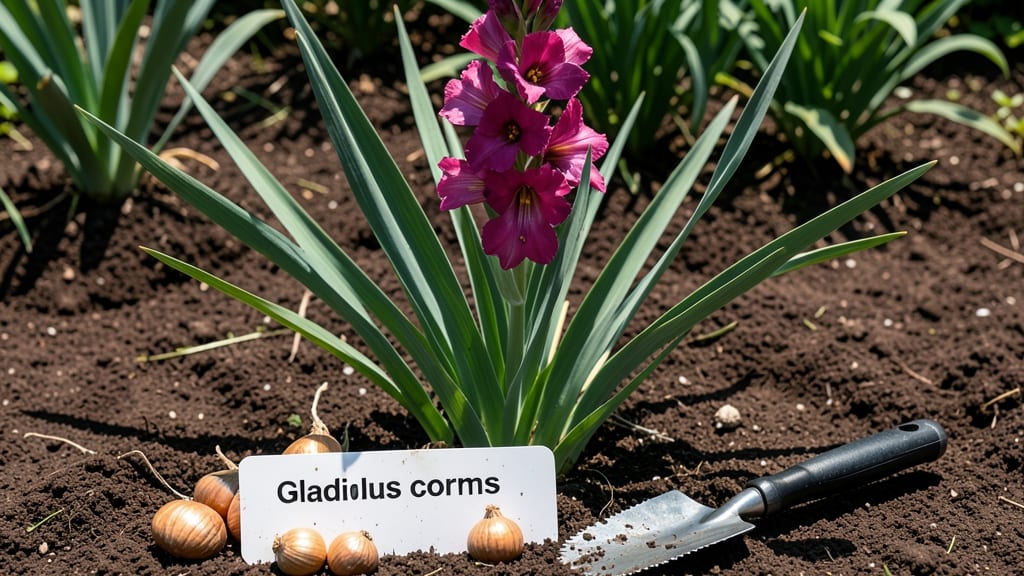
Gladiolus bulbs are technically perennials but act like annuals because they can't survive freezing winters without protection. With proper storage and replanting, they'll return year after year for vibrant summer blooms.
Gladiolus bulbs are classified as perennials because they have the potential to regrow for multiple seasons—but their tender nature makes them behave like annuals in most climates. 🌱 The key difference lies in their cold sensitivity: while true perennials like daffodils survive winter dormancy underground, gladiolus bulbs freeze without protection.
This is why gardeners in colder zones treat them as annuals, replanting fresh bulbs each spring. The good news? With just a little extra care—digging before frost, proper curing, and storing in a cool dry place—you can revive them year after year and enjoy those dramatic summer spikes.
What sets gladiolus apart is their dormancy cycle, triggered by temperature changes. When nights stay warm consistently, the bulbs break dormancy and send up shoots.
This biological quirk means timing is everything—plant too early or too late, and you might miss the bloom window. Pro tip: Mark your calendar for late spring planting after the last frost date in your zone.
💡 In This Article
- Why Gladiolus Bulbs Act Like Annuals in Cold Climates
- Step-by-Step Guide to Overwintering Gladiolus Bulbs
Why gladiolus bulbs act like annuals in cold climates
Gladiolus bulbs are classified as tender perennials, meaning they thrive in warm seasons but lack the cold-hardiness of true perennials like daffodils or peonies.
The key difference lies in their corm structure—gladiolus store energy in corms (solid, bulb-like structures) rather than true bulbs, which makes them more vulnerable to freezing temperatures. When exposed to below 25°F for extended periods, their cells rupture, turning the corms mushy and killing the plant.
This is why they die back annually in zones colder than USDA Zone 8, where winter temperatures reliably drop below freezing.
Their dormancy cycle is another critical factor. Unlike hardy perennials that remain dormant underground through winter, gladiolus corms enter a temperature-triggered dormancy in late fall. When soil temperatures drop below 50°F consistently, the corms stop growing and become dormant.
This natural pause allows them to survive summer heat but makes them highly sensitive to frost. The corms' moisture content also plays a role—when stored at 40-50% humidity, they remain viable, but improper storage can lead to rot or desiccation, further reducing their chances of revival.
Compare this to daffodils, which are true perennials with cold-resistant bulbs that can withstand -20°F or lower. Daffodils store nutrients in layers of papery skins, while gladiolus corms have a single, dense structure that lacks insulating layers.
This structural difference explains why daffodils regrow effortlessly each spring while gladiolus require human intervention to survive winter. The trade-off? Gladiolus offer dramatic summer blooms in vibrant colors that daffodils can't match, making the extra care worthwhile for gardeners eager for seasonal variety.
What most people don't realize is that gladiolus corms have a built-in survival mechanism when conditions are right. In their native South Africa, they experience hot, dry summers and mild winters—ideal conditions for their growth cycle.
When gardeners replicate these conditions (warm summers, cool but not freezing winters), the corms can regrow for 3-5 years without replanting. However, in colder climates, this mechanism fails without proper storage, forcing gardeners to treat them as annuals. 🌿
Here's what happens when you skip overwintering: The corms left in frozen ground turn black and mushy within weeks, releasing nutrients into the soil but producing no new growth. This is why many gardeners assume gladiolus are annuals—they've seen firsthand what happens when winter catches them unprepared.
The solution? Mimicking their natural environment by storing corms in a cool, dry place (50-60°F) until replanting in spring, which tricks the corms into thinking they're still in their ideal climate.
Consider this analogy: Gladiolus corms are like dormant seeds waiting for the right conditions to sprout. Just as a seed needs warmth and moisture to germinate, gladiolus corms need the right temperature and timing to break dormancy.
In cold climates, gardeners act as nature's stand-ins, providing the controlled environment these tender perennials need to survive. This is why the storage process—curing, drying, and refrigeration—mirrors the natural dormancy cycle they'd experience in their native habitat.