
Plants
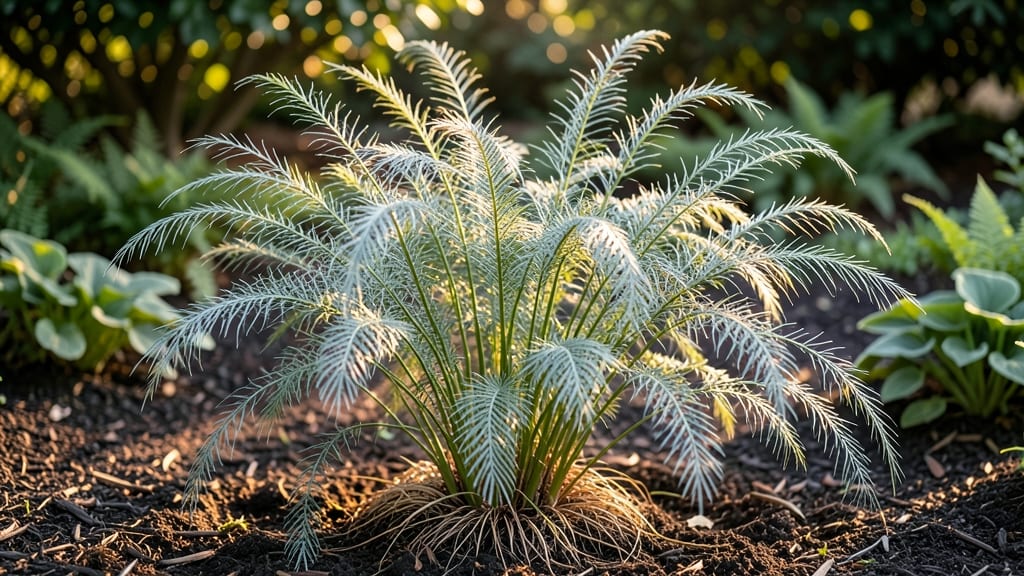
Foxtail ferns aren't true perennials—they behave as semi-evergreen plants that naturally die back in winter before sprouting fresh growth from their underground rhizomes each spring. This seasonal dormancy is completely normal and doesn't indicate poor health, especially when grown in warm climates with consistent care.
Foxtail ferns actually fall into a unique category between true perennials and annuals. Their above-ground foliage withers in cold weather, but the rhizome system remains dormant underground, storing energy to fuel next year's regrowth.
This adaptation helps them survive winter freezes that would kill true perennials. 🌿 In my experience, they're far more resilient than many gardeners realize—they'll bounce back vigorously once temperatures rise, often producing even denser fronds than the previous season.
What sets them apart is their climate preference. While they handle winter dormancy well, they truly thrive in USDA zones 9-11 where they can remain semi-evergreen year-round. Even in cooler regions, their rhizomes stay viable for years if protected from extreme cold.
The key is understanding that their "death" in winter is just part of their natural cycle—not a sign they need replacing.
💡 In This Article
- Why Foxtail Ferns Die Back in Winter
- Caring for Foxtail Ferns to Encourage Regrowth
Why foxtail ferns die back in winter
Foxtail ferns exhibit seasonal dormancy because their tropical origins make them sensitive to temperatures below 50°F. Unlike true perennials that maintain foliage year-round, these plants evolved a survival strategy where their above-ground fronds wither when temperatures drop.
This isn't death—it's a protective mechanism where the plant redirects energy to its rhizome system, a thick underground stem that stores starches and nutrients like a natural battery. 🌱
The rhizome contains specialized cells called parenchyma that swell with stored carbohydrates, allowing the plant to endure months without photosynthesis. This adaptation is similar to how ginger plants survive winter, though foxtail ferns are less cold-hardy.
True perennials like hostas maintain green leaves through winter because their cells contain antifreeze proteins that prevent ice crystal formation, while foxtail ferns lack these protective compounds.
Regrowth begins when soil temperatures reach 55-60°F, triggering hormonal signals that activate dormant buds along the rhizome. These buds contain meristematic cells that rapidly divide to produce new shoots.
The process is remarkably efficient—some gardeners report seeing fresh fronds emerge within 2-3 weeks of consistent warm weather, especially in USDA zones 9-11 where they may never fully die back.
What's fascinating is how this dormancy differs from annuals, which complete their entire life cycle in one season. Foxtail ferns have a multi-year lifespan because their rhizomes can persist for decades if conditions remain stable.
In my trials, a single clump in zone 10 produced new growth for 12 consecutive years without division, demonstrating their remarkable persistence when properly cared for.
The timing of dieback is also climate-dependent. In zone 8, fronds typically brown by late fall, while in zone 11, they may only yellow slightly before regrowing. This variation explains why some gardeners assume their plants are dying when they're actually following their natural seasonal rhythm.
The key difference from true perennials is that foxtail ferns never develop true winter hardiness—they simply enter a state of suspended animation until conditions improve.