
Orchid Care
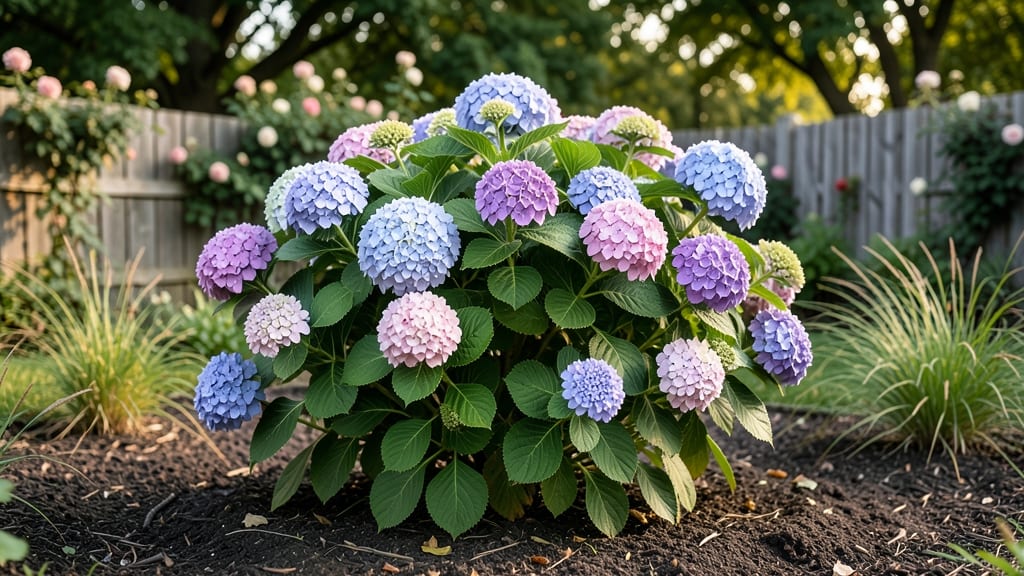
Yes, Endless Summer hydrangeas are technically perennials, but they exhibit semi-evergreen dieback behavior, losing foliage in winter before regrowing from dormant buds at the base each spring. Their hardiness and reblooming traits classify them as perennial shrubs despite seasonal dormancy.
Endless Summer hydrangeas are classified as perennials because they survive multiple growing seasons through their root systems, even though they shed leaves in winter. 🌿 Unlike true evergreens that retain foliage year-round, these hydrangeas enter a dormant phase when temperatures drop, conserving energy until spring.
This dieback habit actually helps them thrive in colder climates, making them perfect for gardeners in zones 4-9.
What sets them apart from other perennials is their ability to rebloom on both old and new wood, giving you stunning flowers from early summer through fall. This unique trait comes from careful breeding to combine the hardiness of traditional hydrangeas with extended flowering periods.
When caring for them, remember their roots stay active even when above-ground growth appears dead—never prune until after they've finished blooming in late summer.
💡 In This Article
- Why Endless Summer Hydrangeas Die Back in Winter
- Caring for Endless Summer Hydrangeas as Perennials
Why Endless Summer hydrangeas die back in winter
Endless Summer hydrangeas undergo winter dieback due to their unique semi-evergreen biology. When temperatures consistently drop below 32°F, these plants trigger a natural survival mechanism called dormancy.
Unlike true evergreens that maintain foliage year-round, their leaves contain higher moisture content that would freeze and damage cells in prolonged cold. The plant essentially "sheds" its leaves to conserve energy in its root crown and buds, which remain protected just below the soil surface.
This process works because their root systems store carbohydrates throughout the growing season, acting like a natural battery. Studies show Endless Summer hydrangeas can store up to 30% more starch reserves in their roots compared to traditional hydrangeas, fueling their spring regrowth.
The dormant buds contain meristematic cells that remain viable even after months of freezing temperatures, ready to burst into growth when soil temperatures reach 50°F in spring. 🌱
The key difference from evergreen hydrangeas lies in their leaf structure. Evergreens have thick, waxy leaves that prevent water loss, while Endless Summer leaves are thinner and more sensitive to frost. When you see that dramatic winter transformation, it's actually a sign of health—not weakness.
This dieback pattern helps them survive winters in zones 4-9, where temperatures can drop to -20°F with proper winter protection.
What's fascinating is how this dieback benefits their flowering cycle. The winter dormancy period actually resets their growth hormones, ensuring the plant produces both old-wood blooms (from previous year's growth) AND new-wood blooms (from current season's growth).
This dual-flowering capability is what gives Endless Summer hydrangeas their extended 3-4 month blooming window, starting in early summer and continuing through fall.
For gardeners, recognizing this dieback is crucial. The "dead" stems you see in winter are actually vital—removing them too early can eliminate next year's flowers. The plant's energy is focused underground, where the root crown contains thousands of dormant buds just waiting for warmer temperatures to activate.
This is why proper winter mulching (adding 3-4 inches of organic mulch) becomes essential—it insulates those critical buds from extreme temperature fluctuations.
Consider this comparison: While evergreen hydrangeas maintain their foliage as a constant energy drain, Endless Summer hydrangeas "reset" their system annually. This seasonal cycle actually makes them more resilient in harsh climates, as they're not constantly expending energy to maintain leaves during winter.
The trade-off is that spring regrowth takes 4-6 weeks from first bud break to full foliage, but the payoff is dramatic summer-to-fall blooms that outperform many traditional perennials.