
Plants
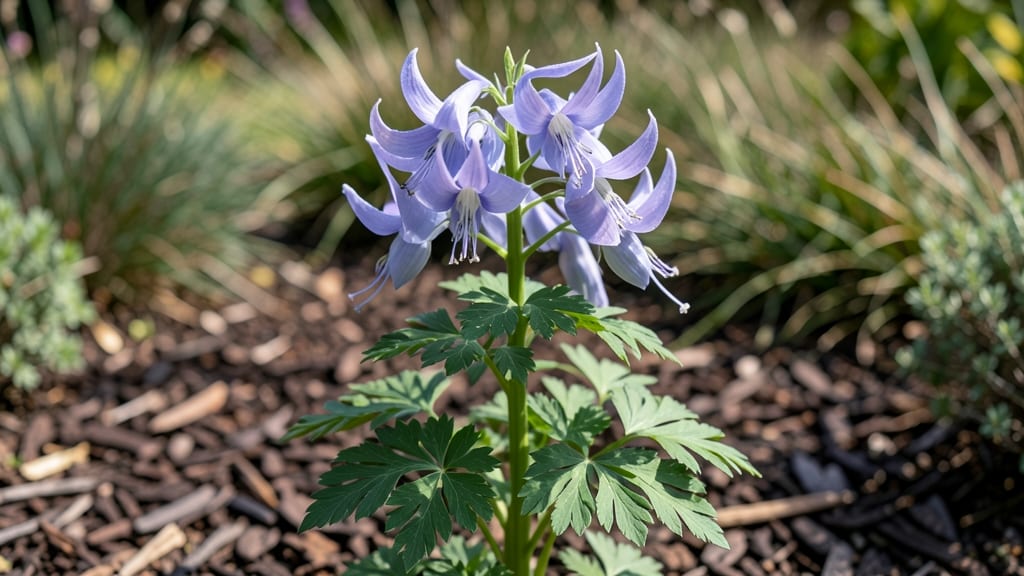
Columbines are perennials that thrive in USDA zones 3-8, surviving winters through deep root systems and proper care, though some varieties may die back to the ground before regrowing each spring.
These hardy plants earn their reputation through their unique taproot system, which stores nutrients and moisture deep underground—perfect for enduring cold snaps. 🌱 Unlike annuals that complete their life cycle in one season, columbines rely on this root network to bounce back year after year, provided they get well-drained soil and adequate winter protection.
Many gardeners swear by their ability to self-seed, creating naturalizing displays that multiply over time without extra effort.
What sets columbines apart is their adaptability—they handle both shade and partial sun better than many perennials, making them a low-maintenance choice for gardeners in cooler climates. Their cold-hardiness even surpasses some shade-loving competitors like bleeding hearts, which often struggle in zone 3 winters.
The key to their longevity lies in mimicking their natural habitat: moist but never soggy soil and a thick layer of mulch to insulate roots during freeze-thaw cycles.
💡 In This Article
- Columbine Cold Resistance and Winter Survival Strategies
- Planting and Care Tips for Long-Term Columbine Growth
Columbine cold resistance and winter survival strategies
Columbines owe their perennial status to a specialized root system called a taproot, which can extend 12-18 inches deep into the soil. This root structure stores carbohydrates and moisture during dormancy, acting like a natural battery that fuels regrowth in spring.
Unlike fibrous-rooted plants that spread horizontally, columbines anchor vertically, making them far more resilient to freeze-thaw cycles that can heave shallow-rooted perennials out of the ground. 🌱 The deeper roots also access groundwater, giving them an advantage in dry winters when surface soil freezes solid.
Their cold tolerance stems from a biological process called dormancy, where metabolic activity slows dramatically in response to temperatures below 40°F.
This adaptation allows them to survive winters in zones 3-8 without permanent damage, though some varieties (like Aquilegia canadensis) may exhibit cold-induced dormancy, where above-ground growth dies back completely but roots remain viable.
The plant's ability to regenerate from these roots is what truly defines its perennial nature—similar to how peonies or hostas rebound each spring, but often with less fuss.
When comparing columbines to other shade-loving perennials, their resilience stands out. For example, bleeding hearts (Dicentra spectabilis) typically thrive in zones 3-9 but often suffer dieback in zone 3 winters without heavy mulching.
Columbines, however, handle these conditions more gracefully due to their insulating root mass, which acts like a built-in thermal blanket. Even lungwort (Pulmonaria), another cold-hardy perennial, requires more consistent moisture—columbines are far more drought-tolerant once established. 💫
The key to their winter survival lies in how they respond to temperature shifts. When nighttime temperatures drop below 32°F, columbines enter a state of cryoprotection, where cell membranes adjust to prevent ice crystal formation.
This is similar to how some trees (like oaks) survive freezing, but columbines do it with less dramatic structural changes. Their leaves often turn yellow or brown before falling, conserving energy—a strategy that contrasts with evergreens, which must constantly protect their foliage from cold damage.
What most gardeners don't realize is that columbines actually benefit from cold winters. The freeze-thaw cycles help break seed dormancy and stimulate root growth in spring. This is why they often self-seed prolifically in gardens—each winter prepares the next generation for stronger establishment.
The trade-off? Some varieties may produce fewer flowers after a particularly harsh winter, but the roots remain unharmed and ready to rebound with warmer weather. 🌿
For those in zone 8 or warmer, the challenge shifts from cold damage to heat stress during summer dormancy. If temperatures stay above 85°F for extended periods, columbines may go dormant prematurely, reducing next year's blooms.
This is why well-drained soil is critical—it prevents root rot while allowing excess moisture to evaporate, maintaining the delicate balance columbines need to thrive year-round.