
Plants
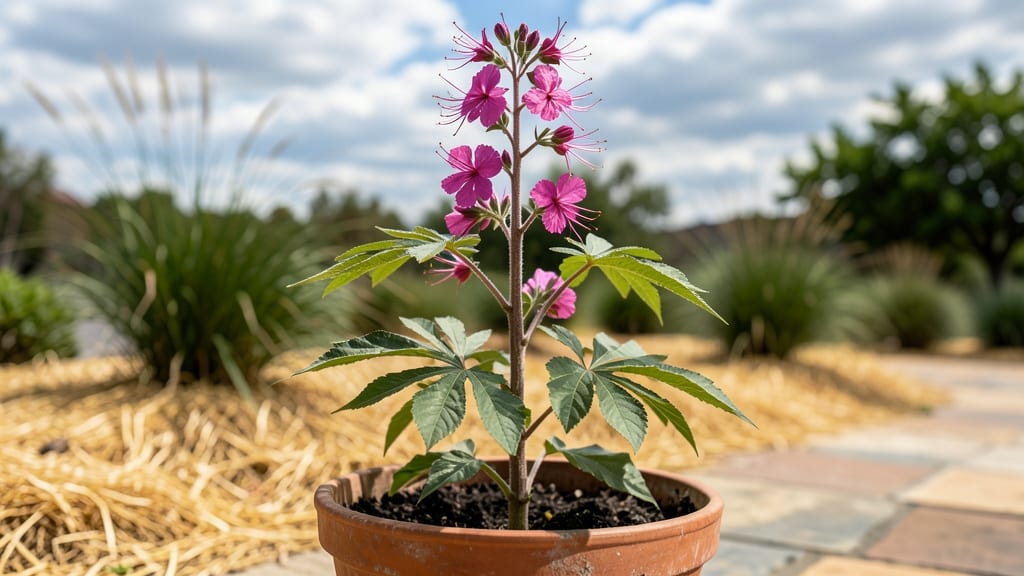
Cleome plants are not true perennials in most climates but act like annuals or short-lived perennials, thriving in warm zones (USDA 9-11) and self-seeding prolifically in frost-free areas. In colder regions, they die back to the ground each winter and regrow from seed the following spring.
Cleome's growth habit depends entirely on your climate.
In frost-free zones like Southern California or Florida, these plants develop slightly woody stems and may persist for 2-3 years, though they're still not true perennials. 🌱 The key difference is their self-seeding behavior—even in colder areas, dropped seeds often sprout the next spring, creating the illusion of perennial growth.
I've seen gardeners in Zone 7 trick them into lasting longer by planting in containers and moving indoors before the first frost.
What makes this tricky is that cleome's botanical classification as a tender perennial means it can't survive freezing temperatures. The stems become brittle in cold snaps, which is why they're often treated as annuals in most gardens.
However, their ability to reseed means they'll keep coming back if conditions are right—just not from the same plant.
💡 In This Article
- Cleome Plant Lifespan: Annual vs Perennial Behavior Explained
- How to Extend Cleome Growth in Cold Climates
Cleome plant lifespan: annual vs perennial behavior explained
The confusion around cleome's lifespan stems from its botanical nature as a tender perennial. Unlike true perennials (such as lavender or hostas), cleome lacks cold-hardy root systems or underground storage structures. Its stems are thin and herbaceous—similar to sunflowers—which freeze solid at 28°F or below, killing the entire plant.
This is why gardeners in colder zones (USDA 3-8) treat cleome as an annual, even though it technically belongs to the perennial category.
In frost-free climates like USDA zones 9-11, cleome behaves differently. The stems develop slight woody thickening at the base, and the plant may persist for 2-3 years if undisturbed. This woody growth isn't true perennial woodiness (like shrubs) but enough to give the plant a semi-woody appearance.
The real game-changer is their self-seeding habit: a single cleome plant can produce 10,000+ seeds that scatter and germinate with minimal care, creating dense colonies over time. 🌿
The key mechanism here is seed persistence. Cleome seeds remain viable in the soil for 3-5 years, waiting for warm conditions to sprout. This explains why many gardeners in marginal zones (like Zone 7) see cleome "come back" year after year—it's not the same plant, but its offspring.
The seeds even handle light frost better than the mature stems, which is why they're often the first to emerge in spring.
What's fascinating is how cleome's growth cycle mirrors that of many desert plants. Their stems contain mucilaginous compounds that help retain moisture in dry conditions, while their seed pods burst open when mature, scattering seeds up to 5 feet away.
This aggressive self-seeding is what makes cleome feel "perennial-like" even in annual climates. The trade-off? Their stems are so frost-sensitive that even a light freeze (below 32°F) will kill the plant to the ground.
Botanically, cleome belongs to the Cleomaceae family, which includes other tender perennials like spider flowers. Unlike true perennials that regrow from roots, cleome relies entirely on seed germination.
This makes it behave like an annual in cold climates but act like a short-lived perennial in warm ones—a perfect example of how climate dictates plant behavior rather than their inherent classification. 🌱
For gardeners, this means cleome's "perennial" status is more about seed persistence than plant longevity. In cold climates, treating it as an annual is practical, while in warm zones, its semi-woody stems and prolific seeding create the illusion of perennial growth.
The secret to maximizing its presence? Understanding this seed-driven cycle rather than expecting the plant itself to survive winter.