
Plants
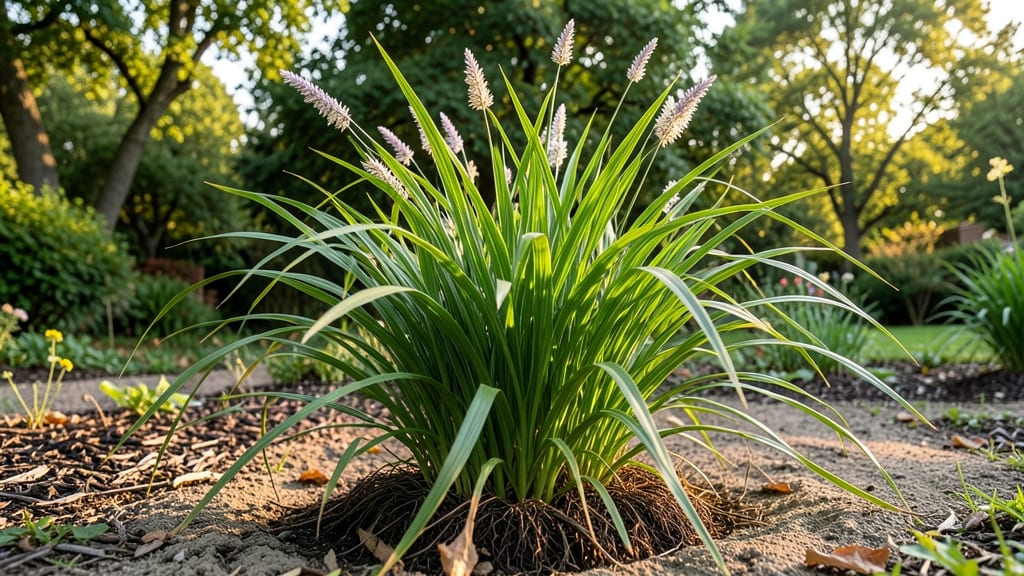
Citronella plants are not perennial in most climates, meaning they won't survive winter frost as woody perennials do. Instead, they die back to the ground in colder zones (below USDA 9-11) but often regrow from their roots in warmer areas. Gardeners in chilly regions must treat them as annuals or protect them through winter storage.
Citronella's survival hinges on temperature thresholds—roots can endure 25-30°F in short bursts, but prolonged frost kills them. 🌱 In milder climates, the plant's underground system acts like a living seed bank, sprouting fresh growth when temperatures rise.
For colder zones, overwintering involves digging up roots, trimming foliage, and storing them in dry containers until spring replanting. This method preserves the plant's vigor for next season's growth.
What sets citronella apart is its adaptability—while not true perennials in most areas, they behave like semi-perennials, returning reliably when conditions allow. This makes them perfect for gardeners who want seasonal fragrance without the commitment of hardy perennials.
The key is understanding your local frost dates and adjusting care accordingly.
💡 In This Article
- Cold Hardiness Zones and Citronella Plant Survival
- How to Overwinter Citronella Plants in Cold Climates
Cold hardiness zones and citronella plant survival
Citronella's perennial behavior depends entirely on your USDA hardiness zone. In zones 9-11, where winter temperatures rarely drop below 20°F, the plant's fibrous roots act like a natural survival mechanism. These roots contain meristematic tissue—growth cells that remain dormant but viable during cold snaps.
When spring arrives, these cells reactivate, sending up fresh shoots within 2-4 weeks after the last frost. The key threshold is 25°F: roots can tolerate brief dips but sustained cold kills them.
The science behind this involves cryoprotection—natural antifreeze compounds in the roots that prevent ice crystal formation. However, this protection has limits. In zones 8 and below, where winter lows often reach 10°F or lower, the entire root system freezes solid.
Unlike hardy perennials (e.g., lavender or rosemary), citronella lacks woody stems to insulate its core, making it vulnerable to ground-level frost. This is why gardeners in colder zones see their plants "die back" completely each winter.
What most people don't realize is how root depth plays a role. Citronella's roots typically grow 12-18 inches deep, seeking moisture and stability. In warmer zones, this depth provides insulation from shallow frost.
But in colder climates, even a 6-inch snow cover isn't enough protection—the ground itself becomes the enemy. The solution? Planting in raised beds with mulch (like straw or pine needles) can add 5-10°F of protection to the root zone.
Consider these critical temperature benchmarks:
- Survival threshold: Roots can handle 25-30°F for short periods but die below 20°F
- Regrowth trigger: Shoots emerge when soil temps reach 55°F consistently
- Zone 9-11 advantage: Natural frost-free winters allow year-round growth patterns
- Zone 8 challenge: Even a 3-week cold snap can kill roots if below 15°F
The plant's fragrance—its defining trait—comes from citronellal compounds in its leaves, which are produced most actively in warm weather. This is why gardeners in colder zones often see their citronella plants bolster growth in late spring, compensating for winter dormancy with rapid foliage production.
The trade-off? Without proper overwintering, you lose that seasonal aroma entirely.
Here's the paradox: while citronella isn't a true perennial in most gardens, its root systems are remarkably resilient when given the right conditions. In ideal zones, they can live for 3-5 years or more, producing new shoots annually from the same root base.
This makes them behave more like geophytes (plants that survive harsh seasons via underground storage organs) than traditional perennials.