
Orchid Care
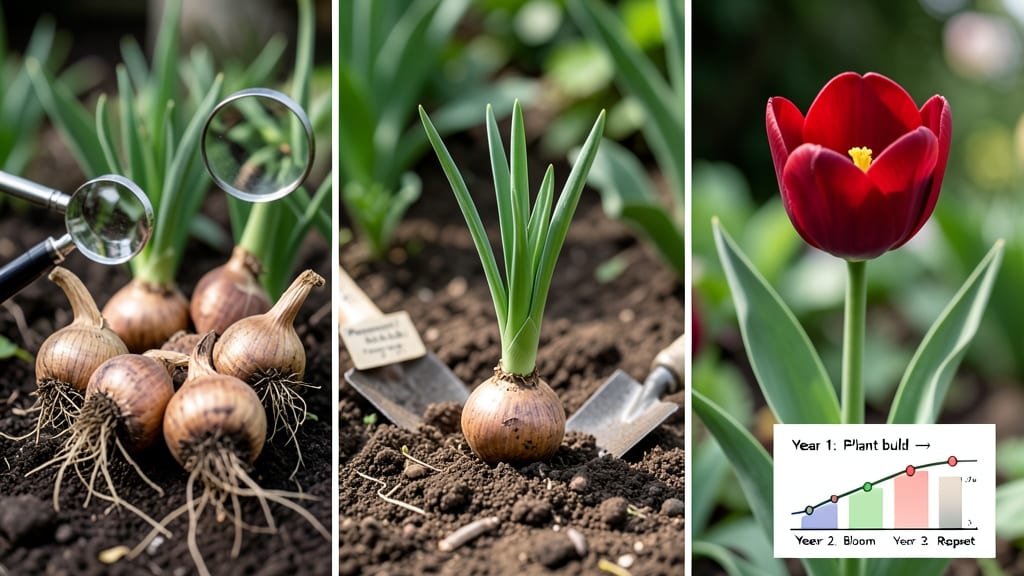
Bulbs are perennials because they store energy underground in specialized structures that allow them to regrow year after year, though many need a dormancy period to thrive. Their longevity depends on proper care, species-specific needs, and environmental factors like sunlight exposure and soil health.
These underground storage systems—like true bulbs (think tulips or daffodils), corms (like crocuses), or rhizomes (such as iris)—act like natural batteries, packing nutrients between their layers to fuel regrowth. 🌱 The key is understanding each type's unique cycle: some bulbs need winter chill to break dormancy, while others prefer summer dryness.
I've seen firsthand how even a slight misstep in watering or soil prep can cut a bulb's lifespan by half, so getting the basics right makes all the difference.
For example, a tulip bulb planted in rich, well-draining soil with 6 hours of sunlight daily can live for decades, while a daylily rhizome thrives in partial shade but may decline if overwatered.
The secret? Matching the bulb's native growing conditions to your garden's environment. Even in containers, bulbs can become perennials if given the right balance of nutrients and space to expand.
💡 In This Article
- How Bulb Perennials Store Energy for Regrowth
- Caring for Perennial Bulbs to Extend Their Lifespan
How bulb perennials store energy for regrowth
The magic of bulb perennials lies in their layered underground storage system. True bulbs like tulips and onions store energy in concentric layers called scales, each packed with starches and sugars that fuel regrowth.
These scales are protected by a papery outer layer called the tunic, which shields the bulb from rot and pests. When conditions are right—like 6-8 weeks of winter chill for many spring-blooming bulbs—the stored nutrients activate, sending up shoots that transform into leaves and flowers.
Not all bulbs follow this exact structure. Corms (like crocuses) store nutrients in a solid, swollen stem base, while rhizomes (like iris) spread horizontally underground, forming new growth points along their length. The key difference? True bulbs rely on vertical stacking of scales, while corms and rhizomes distribute nutrients differently.
For example, a gladiolus corm can produce multiple offsets (baby corms) in a single season, while a lily bulb grows larger by absorbing nutrients from its surroundings. 🌱 This diversity explains why some bulbs thrive in containers while others need deep, loose soil to expand.
Seasonal triggers are critical. Many bulbs enter dormancy when temperatures drop below 50°F or when daylight shortens, halting growth until conditions improve. This adaptation prevents wasteful energy use during harsh seasons.
In my garden, I've noticed that daffodil bulbs planted in full sun with well-draining soil often outlive their neighbors in shady spots because they can store more energy for regrowth.
The deeper the bulb's roots, the more nutrients it can access, which is why planting depth matters—typically 2-3 times the bulb's height.
What most gardeners overlook is how bulb health declines when storage conditions fail. Overwatering causes rot by breaking down the tunic's protective barrier, while poor soil drainage suffocates roots, starving the bulb of nutrients. Even pests like squirrels or voles can dig up bulbs, disrupting their energy reserves.
The solution? Mulching in fall with 2-3 inches of organic matter (like straw) insulates bulbs through winter while keeping soil loose for root expansion in spring.
Consider this comparison: A tulip bulb planted in rich, slightly alkaline soil (pH 6.5-7.0) may live 5-10 years with proper care, while a daylily rhizome in acidic soil (pH 6.0-6.5) can persist for decades because it tolerates wider moisture ranges.
The lesson? Matching bulb type to soil chemistry and climate is half the battle for perennial success.
One pro tip: Divide clumps every 3-5 years to prevent overcrowding. For example, allium bulbs form dense clusters that compete for nutrients—splitting them in early spring gives each bulb more space to store energy. This simple step can extend a bulb's lifespan by 20-30% or more. 💫