
Plants
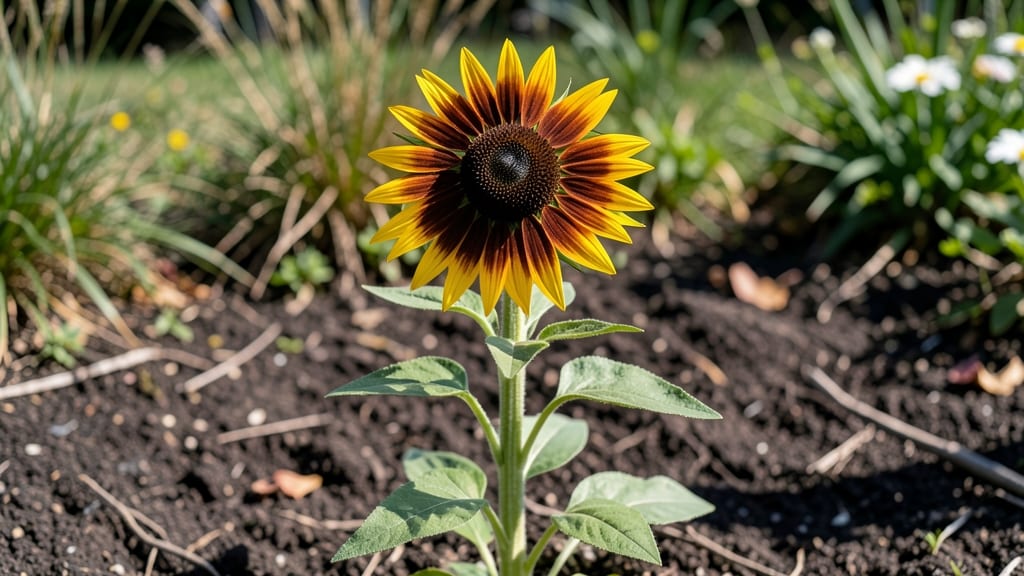
Black Eyed Susan plants are indeed perennials, thriving in USDA zones 3-11 with proper care. In colder regions, they die back to the ground during winter but regrow vigorously from their roots each spring, producing vibrant blooms by summer.
These hardy plants rely on their deep root systems to survive harsh winters, storing energy underground until temperatures rise. 🌱 The key to their perennial nature lies in their ability to enter dormancy when conditions turn cold, then bounce back with minimal care.
In zones 3-5, you'll often see them completely disappear in winter only to re-emerge stronger than ever when spring arrives.
What sets Black Eyed Susans apart is their adaptability—some varieties like Rudbeckia hirta handle colder climates better than others like Rudbeckia fulgida, which prefer slightly milder winters. The plant's natural resilience makes it a favorite for gardeners in transitional zones who want low-maintenance, long-lasting color year after year.
💡 In This Article
- Black Eyed Susan Cold Hardiness by USDA Zone
- Extending Black Eyed Susan Lifespan in Harsh Climates
Black Eyed Susan cold hardiness by USDA zone
The science behind Black Eyed Susan's perennial nature lies in their remarkable ability to enter dormancy when temperatures drop below 20°F. This process is triggered by a combination of cold exposure and reduced daylight hours, which signals the plant to conserve energy.
During dormancy, the plant's leaves and stems die back, but the roots remain alive underground, protected by insulating soil layers. This survival mechanism is similar to how peony plants endure winter—both store carbohydrates in their roots to fuel regrowth when spring arrives.
Root depth plays a critical role in their cold resistance. Black Eyed Susans develop taproots that can extend 12-18 inches deep, allowing them to access moisture and nutrients even in frozen upper soil layers.
The deeper the roots, the better they insulate against temperature fluctuations. Rudbeckia hirta, the species most commonly found in zones 3-5, has particularly robust root systems that can withstand -30°F temperatures when properly established, while Rudbeckia fulgida varieties (like 'Goldsturm') prefer milder winters and may struggle below 10°F without protection.
What's fascinating is how these plants time their dormancy perfectly. Research shows they begin storing energy in their roots as early as late summer, converting sugars from photosynthesis into starches.
This process peaks in autumn, creating an energy reserve that can sustain them through 6-8 months of winter dormancy.
The plant's ability to regulate this cycle explains why established Black Eyed Susans often outlive annuals planted in the same spot—some gardeners report the same plants thriving for 10+ years with minimal intervention.
However, not all Black Eyed Susans respond equally to cold. Rudbeckia hirta varieties typically handle zones 3-9 with ease, while Rudbeckia fulgida (like 'Indian Summer') are better suited for zones 4-10.
The difference comes down to their native habitats—hirta evolved in northern climates where winters are harsher, while fulgida originates from more temperate regions. This genetic variation means gardeners in zone 3 should choose hirta varieties for maximum reliability.
Temperature isn't the only factor—soil composition matters too. Sandy soils drain quickly, which can expose roots to freezing air, while clay soils retain moisture that insulates against cold.
In zone 4-5, adding 2-3 inches of organic mulch (like shredded leaves or straw) can raise soil temperatures by 5-10°F, making a significant difference in survival rates. The mulch acts like a blanket, preventing rapid temperature swings that can damage root tissues.
Here's what happens when temperatures drop too low: the plant's cells lose water through a process called dehydration stress, which can rupture cell membranes if not properly managed.
This is why young plants (under 1 year old) are more vulnerable—their root systems aren't fully developed to store enough energy.
In zone 2, where winters can drop below -40°F, even established plants may need additional protection like burlap wraps or straw mulch piled 6 inches deep around the base.