
Plants
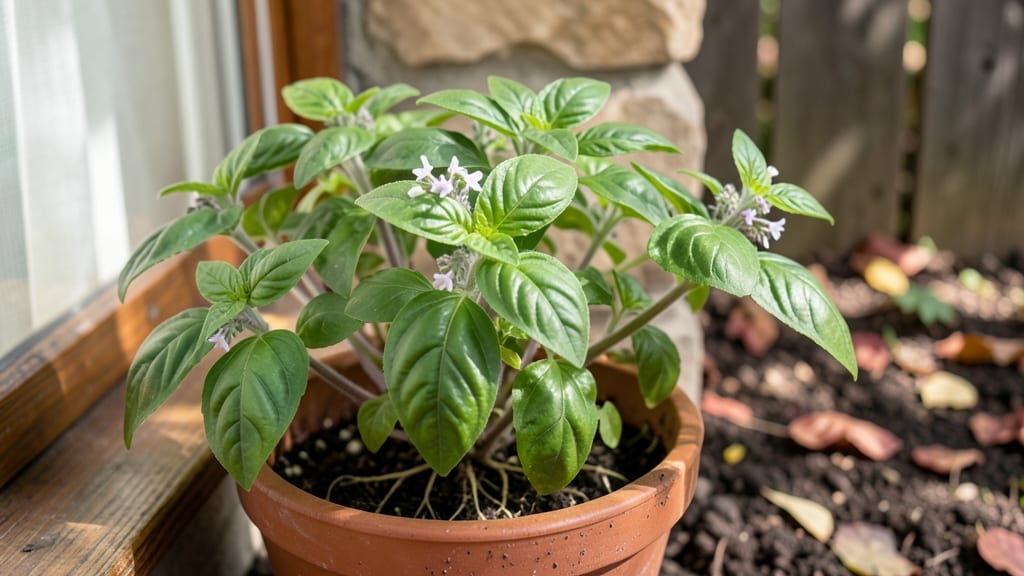
Basil plants are not perennial in cold climates—they die back when temperatures drop below 40°F (4°C), but they can regrow from seeds if planted early the following spring. In warmer zones (USDA 10-11), they may overwinter with protection.
Basil's sensitivity to cold stems from its tropical origins—it simply can't handle frost or prolonged chilly spells. In most regions, this means treating basil as an annual, though patient gardeners can cheat the system with strategic overwintering. 🌱 The key is understanding your microclimate: even in cold zones, a sheltered spot or container might buy you extra growing weeks.
I've seen basil thrive in USDA zones 10-11 with minimal protection, while gardeners in zones 5-8 often need to start fresh each spring.
What surprises many is how quickly basil responds to warmth—once temperatures rise above 50°F (10°C), new growth appears rapidly. This makes seed-saving an excellent strategy for cold climates: collect seeds from your healthiest plants in fall, then start them indoors in late winter.
The trade-off? Perennial herbs like oregano or thyme will outlast basil every time, but that's what makes basil so rewarding when you get it right.
💡 In This Article
- Why Basil Dies in Cold Weather: Temperature Thresholds Explained
- Year-Round Basil Growing Hacks for Cold Climates
Why basil dies in cold weather: temperature thresholds explained
Basil's tropical origins mean its cells lack the antifreeze proteins found in cold-hardy plants. When temperatures dip below 40°F (4°C), basil's cell membranes begin to rupture—a process called cold stress. This damage disrupts nutrient flow, causing leaves to blacken and stems to weaken.
Unlike perennials that enter dormancy, basil has no natural cold resistance mechanism. 🌡️ Even a light frost (32°F/0°C) can kill basil plants within hours, as ice crystals form inside plant tissues.
The USDA hardiness zones provide a clear framework for understanding basil's limits. In zones 10-11 (where winters rarely drop below 30°F/-1°C), basil may survive mild winters with protection like row covers or mulch.
However, in zones 5-8, where winter lows often reach 0°F/-18°C or lower, basil's survival rate plummets. The critical threshold isn't just frost—prolonged exposure to 50°F (10°C) or below for more than a few days will stunt growth and reduce yield by up to 70%.
What makes this especially frustrating is how quickly basil responds to warmth. After just 2-3 weeks of temperatures above 60°F (15°C), new growth emerges with remarkable speed. This growth spurt explains why seed-saving becomes such a popular strategy in cold climates—gardeners can preserve their favorite varieties year after year.
The trade-off is that basil's sensitivity to cold means it can't compete with hardier perennials like mint or oregano, which can tolerate -20°F (-29°C) or lower.
Cold stress also affects basil's flavor profile. When plants experience temperature fluctuations, they produce higher levels of phenolic compounds, which can make the leaves taste bitter. This is why basil grown in controlled environments (like greenhouses) often has a sweeter, more aromatic profile than outdoor plants in cooler climates.
The ideal growing temperature range for flavor development is 70-85°F (21-29°C), which explains why basil thrives in summer but struggles in spring or fall.
One fascinating adaptation some gardeners use is the "basil blanket" technique. By covering plants with floating row covers during cold snaps, you can maintain temperatures 5-10°F (3-5°C) warmer than ambient air. This simple method has extended basil's growing season by 3-4 weeks in my own zone 6 garden.
The key is monitoring soil temperature—basil roots prefer to stay above 55°F (13°C) to prevent root rot from alternating freeze-thaw cycles.
For those in truly cold climates, understanding basil's cold sensitivity helps explain why it's often treated as an annual. The plant's inability to survive winter means gardeners must either start fresh each spring or employ creative overwintering strategies.
What's remarkable is how quickly basil recovers when conditions improve—once temperatures rise, it grows with the same vigor as spring-planted seedlings, making the effort worthwhile for dedicated gardeners. 🌱