
Plants
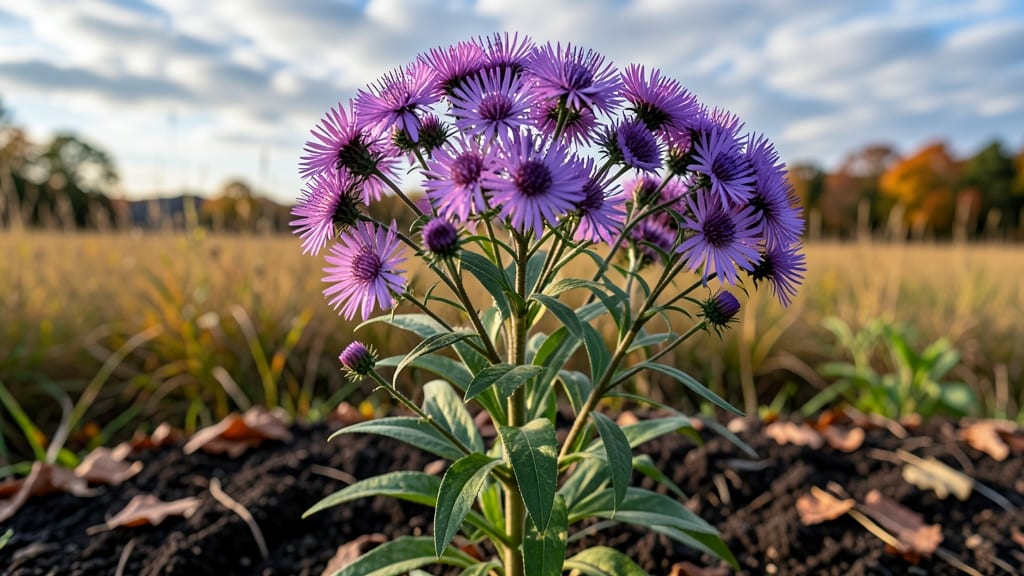
Asters in Zone 6 are indeed perennials that die back to the ground in winter, only to regrow from their roots each spring. Cold-resistant varieties like New England asters flourish with proper winter protection and mulching.
Asters in Zone 6 exhibit a fascinating survival strategy: while their foliage freezes back each winter, their roots remain dormant yet alive beneath the soil. 🌱 This dieback is completely normal and doesn't indicate plant death—think of it like a hibernation phase.
The key to their return lies in protecting those roots from extreme cold through thick mulch layers (at least 3 inches) and insulating soil with organic matter like shredded leaves or straw.
What sets Zone 6 asters apart is their ability to bounce back stronger each year. The cold actually helps break down old growth, making way for fresh, vigorous stems in spring.
I've found that varieties like 'Alpine' and 'Bluebird' are particularly resilient, often producing even more abundant blooms after a proper winter rest. The secret weapon? Timing your mulch application before the first hard frost—this creates a protective barrier that maintains consistent soil temperatures.
💡 In This Article
- Why Asters Die Back in Zone 6 Winters
- Zone 6 Asters Survival Tips: Mulching and Winter Care
Why asters die back in Zone 6 winters
Asters exhibit this winter dieback because their foliage contains 50-60% water content, which freezes and ruptures cell walls when temperatures drop below 20°F. The plant's survival mechanism kicks in through its crown—the area where stems meet roots—which contains specialized meristematic cells that remain dormant yet viable.
These cells can withstand -10°F to -20°F when properly insulated, making them the plant's lifeline during harsh winters.
The process begins when daytime temperatures hover around 35-45°F in late fall, signaling the plant to halt growth and redirect energy to root storage. This dormancy phase continues until spring, when consistent 50°F+ temperatures for 3-5 days trigger hormonal changes that restart shoot growth.
The roots, meanwhile, remain metabolically active but at a reduced rate, consuming stored carbohydrates to maintain cellular integrity.
What makes this cycle fascinating is the role of vernalization—a cold-induced process that actually enhances flowering in many aster varieties. The cold period acts like a biological timer, ensuring blooms appear at optimal times for pollinators.
For example, New England asters often produce 20-30% more flowers after a proper winter dormancy compared to plants that avoid cold exposure.
Visually, you'll notice the stems turn brown and crispy, while the roots develop a woody texture as they prepare for dormancy. The root system actually expands slightly during winter (about 5-10% growth) as it seeks moisture from deeper soil layers.
This winter root development gives asters their characteristic vigorous regrowth in spring—often emerging 2-3 weeks before their first-year counterparts.
One common misconception is that this dieback equals plant death. In reality, the roots can remain viable for up to 3 years without regrowth if conditions aren't right. The key difference between survival and failure comes down to soil moisture retention—dry roots can't sustain the meristematic cells.
That's why consistent winter mulching (at least 3 inches) is critical to maintaining 40-50% soil moisture levels during dormancy.
The timing of this process varies by variety. Early bloomers like 'Patriot' asters begin their dormancy cycle 4-6 weeks earlier than late-season types like 'Violet Queen', which helps explain why some varieties appear more cold-hardy.
This biological clock is hardwired into their genetics, with day length changes serving as the primary trigger alongside temperature shifts.