
Plants
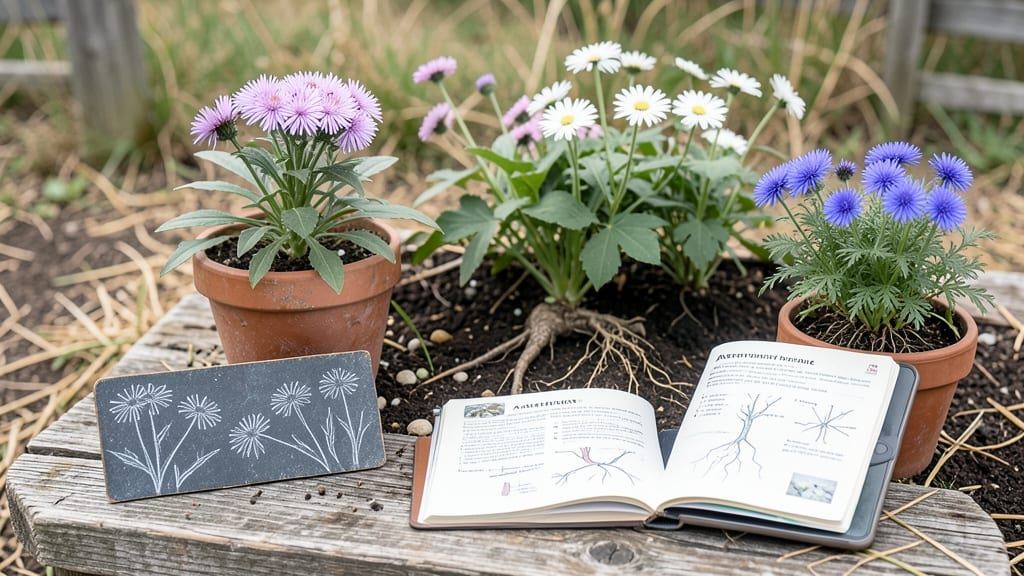
Not all asters are perennials—while some varieties like New England aster (Symphyotrichum novae-angliae) reliably return yearly in cold climates, others behave as annuals. Their hardiness varies by species, with true perennials thriving in USDA Zones 3-9.
When you're choosing asters for your garden, it's all about the species. 🌸 The New England aster and other Symphyotrichum varieties are classic perennials that bounce back each spring, while Callistephus (commonly called China asters) grow as annuals, requiring replanting yearly.
Even within the same genus, some asters might die back in harsh winters but regrow from roots, while others need winter protection to survive. The key difference lies in their root systems and cold tolerance—perennials store energy underground to fuel regrowth, while annuals complete their entire lifecycle in one season.
For gardeners in colder zones, selecting the right variety makes all the difference. Zone 3-9 perennials like the purple-stemmed aster (Symphyotrichum oblongifolium) handle frost beautifully, but even they benefit from a thick layer of mulch in early winter.
Annual asters, on the other hand, reward you with bold blooms all season but require fresh seeds each spring. The good news? Many nurseries now label varieties clearly, so you can choose based on your climate and gardening goals.
💡 In This Article
- Perennial vs Annual Asters: Species Breakdown by Lifespan
- Extending Aster Lifespan: Pro Tips for Cold-Resistant Planting
Perennial vs annual asters: species breakdown by lifespan
The aster family (Asteraceae) contains both annual and perennial species, but their growth habits differ dramatically. Perennial asters, like those in the Symphyotrichum genus, develop deep, fibrous root systems that store carbohydrates through winter.
These roots act like a natural battery, fueling regrowth when spring arrives. For example, the New England aster (Symphyotrichum novae-angliae) can survive -30°F winters in Zone 3, thanks to this underground energy reserve. 🌿
Annual asters, such as Callistephus chinensis (China aster), complete their entire lifecycle in one season, producing seeds before dying. These varieties prioritize above-ground growth and reproduction, with no energy allocated to winter survival. Their hardiness tops out around Zone 8-10, making them unsuitable for colder climates.
The key distinction lies in their root structure—perennials invest in longevity, while annuals focus on rapid flowering and seed production.
Even within perennial groups, cold tolerance varies. The purple-stemmed aster (Symphyotrichum oblongifolium) thrives in Zone 3-8, while the heath aster (Symphyotrichum ericoides) prefers milder Zone 4-9 conditions.
This variation explains why some gardeners in Zone 4 report their asters returning yearly, while others need winter protection. The difference often comes down to soil moisture retention and snow cover during dormancy.
Botanically, this lifespan difference traces back to evolutionary adaptations. Perennial asters evolved in temperate regions where seasonal dieback is common, developing frost-resistant tissues.
Annual varieties, often native to warmer climates, lack these adaptations but compensate with faster growth cycles. 🌱 This explains why you might see annual asters thriving in summer containers while perennial types dominate perennial borders.
For gardeners, this means choosing species that match your climate. In Zone 3-5, focus on hardy perennials like Symphyotrichum varieties. In warmer Zone 9-10, annual asters provide bold color without winter care.
The transition zone (Zone 6-8) offers the most flexibility, where both types can succeed with proper planning.
One surprising fact: Some "annual" asters can behave as perennials in ideal conditions. The Italian aster (Aster amellus), though often sold as a perennial, may act as an annual in Zone 5 if winters are particularly harsh.
This variability highlights why local climate data and plant labels matter more than generic classifications.