
Flowers
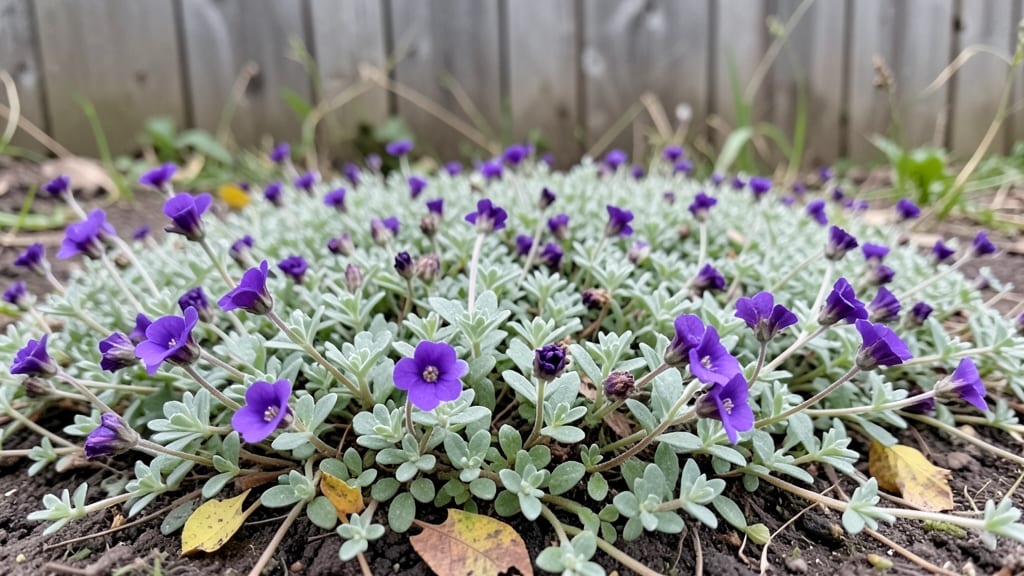
This Royal Carpet Alyssum perennial 🌸 is the secret weapon for gardeners in USDA Zone 6a who want a fast-spreading, cold-resistant ground cover that blooms all season.
Picture this: a fragrant purple carpet of tiny flowers that thrives in rocky soil, repels pests, and spreads effortlessly—yet most gardeners miss the perfect planting window of March to April and end up with patchy growth.
The key to unlocking its full potential lies in understanding its unique needs and timing.
Unlike finicky annuals, this low-maintenance perennial handles tough conditions like a champ, making it ideal for slopes, borders, or even between pavers. Its delicate blooms attract pollinators while its dense mat crowds out weeds, saving you hours of weeding.
In this guide, I’ll walk you through everything from soil prep to pruning tricks that keep it blooming nonstop, plus the best companion plants to pair with it for a pollinator paradise. Ready to transform your garden with minimal effort?
Why Alyssum Royal Carpet perennial thrives in cold climates and fast-spreading conditions
Alyssum Royal Carpet isn't just another pretty face in your garden—it's a cold-hardy powerhouse that thrives where many plants falter. This USDA zone 3-9 perennial spreads aggressively (up to 18 inches annually) while blooming with fragrant purple flowers from spring until frost. Its secret? A combination of genetic hardiness and adaptive growth habits that make it perfect for tough climates.
The plant's resilience stems from its deep root system and waxy leaf coating, which protect it from freezing temperatures and drought. Unlike many ground covers, Royal Carpet Alyssum doesn't just survive winter—it rebounds quickly in spring, creating that coveted carpet effect with minimal effort.
This makes it ideal for northern gardens or high-altitude regions where other plants struggle.
| Category | Specification |
|---|---|
| Cold Resistance | USDA Zones 3-9 |
| Spread Rate | 12-18 inches/year |
| Mature Height | 3-6 inches |
| Sunlight Needs | Full sun to partial shade |
| Soil Type | Well-draining, average fertility |
| Pest Resistance | Repels aphids, deer-resistant |
| Bloom Season | Spring to frost |
| Water Needs | Moderate; drought-tolerant |
One of the most impressive traits of Royal Carpet Alyssum is its ability to self-seed and spread without becoming invasive. Its mounding growth habit creates a dense mat that chokes out weeds naturally, reducing your maintenance workload.
The plant's fast root establishment means it can handle light foot traffic, making it perfect for pathways or container gardens where other ground covers would fail.
The purple blooms aren't just pretty—they're packed with natural pest-repellent compounds that deter aphids and other common garden pests. This makes Royal Carpet Alyssum an excellent companion plant for vegetable gardens or rose beds, where its fragrance and color add beauty while protecting nearby plants.
The flowers also attract pollinators like bees, boosting your garden's overall biodiversity.
For maximum spread, plant Royal Carpet Alyssum in well-draining soil with 6+ hours of sunlight daily. While it tolerates partial shade, full sun produces the most vigorous growth and prolonged blooming.
Amend heavy clay soils with compost or sand to prevent root rot, which can slow its aggressive spread. The key to its success lies in minimal intervention—once established, it thrives with occasional watering and light pruning.
In cold climates, the plant's winter hardiness comes from its ability to go dormant without dying back. Unlike annuals, Royal Carpet Alyssum returns year after year, spreading wider each season. This perennial reliability makes it a favorite for northern gardeners who want color without the annual replanting.
Even in USDA zone 3, where winters can be brutal, this plant rebounds beautifully in spring.
To encourage fast-spreading growth, avoid over-fertilizing—Royal Carpet Alyssum prefers lean soil and moderate nutrients. Too much fertilizer leads to leafy growth at the expense of flowers, which is the opposite of what you want from a ground cover.
Instead, focus on proper spacing (about 9-12 inches apart) to give each plant room to expand. Over time, these plants will fill in gaps naturally, creating that lush carpet effect you're after.
If you're dealing with poor soil conditions, don't let that stop you—Royal Carpet Alyssum is remarkably adaptable. It tolerates sandy soils, clay soils, and even rocky landscapes as long as drainage isn't an issue.
For container gardening, use a well-draining potting mix and ensure the pot has drainage holes to prevent root rot. In containers, it spreads more slowly but still delivers that cushiony texture and fragrant blooms.
One of the most underrated benefits of Royal Carpet Alyssum is its low-maintenance nature. Unlike turf grass, it doesn't require mowing or heavy watering.
Once established, it self-sustains, making it ideal for eco-friendly gardens or water-conscious landscapes. Its ability to thrive in tough conditions while still looking neat
Step-by-step planting and maintenance guide for maximum Alyssum Royal Carpet coverage
Alyssum Royal Carpet thrives when planted at the right time and given proper care. This fast-spreading perennial creates stunning ground cover, but only with the correct planting techniques and ongoing maintenance. Whether you're planting in spring or fall, following these steps ensures a lush, dense carpet of purple blooms from early spring until frost.
Unlike many ground covers, Alyssum Royal Carpet tolerates poor soil conditions and drought once established, but it still needs proper initial soil prep and watering schedules to take root.
The key to maximum coverage? Correct spacing and regular pruning to encourage bushier growth. Avoid common mistakes like over-fertilizing or planting too deep, which can stunt its growth.
Step-by-Step Guide to Planting & Maintaining Alyssum Royal Carpet
-
Step 1: Choose the Right Time
Plant Alyssum Royal Carpet in early spring (after last frost) or early fall (6-8 weeks before first frost) for best results. Avoid planting in summer heat, which stresses young plants. -
Step 2: Prepare the Soil
Test soil pH (6.0-7.0 ideal). Amend with compost for drainage, but avoid heavy clay. Well-draining soil prevents root rot in this low-maintenance perennial. -
Step 3: Space Correctly
Plant 12-18 inches apart for full coverage. Overcrowding leads to thin growth, while spacing too far delays carpet formation. Use 6-8 plants per square foot for dense results. -
Step 4: Plant at the Right Depth
Place plants so top of root ball sits even with soil level. Planting too deep causes stem rot, while burying too shallowly reduces root stability. -
Step 5: Water Deeply After Planting
Water thoroughly at planting and every 2-3 days for 2 weeks. After establishment, water deeply once weekly (more in drought conditions). -
Step 6: Prune for Density
Trim spent blooms every 2-3 weeks to encourage continuous flowering. Cut back 1/3 of growth in early spring to promote bushier, denser foliage. -
Step 7: Avoid Over-Fertilizing
Use a balanced 5-10-10 fertilizer once in early spring only. Too much nitrogen causes leafy growth over blooms. No fertilizer needed after first year.
After establishing your Alyssum Royal Carpet, monitor for pests like aphids or diseases from overwatering. This drought-tolerant perennial thrives with minimal care once rooted, but regular pruning keeps it lush. For maximum coverage, mulch lightly with straw or shredded leaves to retain moisture and suppress weeds.
One of my favorite tricks? Plant Alyssum Royal Carpet along walkways or slopes where erosion is a concern. Its fast-spreading habit stabilizes soil while adding year-round color. Just remember: patience is key—full coverage takes 1-2 growing seasons but is worth the effort!
🌱